


The historical evolution of gambling from ancient rituals to modern casinos
Origins of Gambling in Ancient Civilizations
The roots of gambling can be traced back to ancient civilizations, where it served as a form of entertainment and a way to seek divine favor. Archaeological findings suggest that the earliest forms of gambling occurred in Mesopotamia around 3000 BC, where clay dice were used in games of chance. These early practices often intertwined with religious rituals, as people believed that luck was influenced by the gods. On platforms such as https://sistersitescasino.co.uk/casinos/bgt-games/, players can explore various gaming options that echo this rich history.

Similarly, ancient Egyptians engaged in games involving betting, using items like knucklebones as dice. Such activities were not merely for leisure; they were deeply embedded in the social fabric and often reflected the beliefs and values of the time. The gambling culture flourished, laying the groundwork for future developments in gaming.
The Role of Gambling in the Roman Empire
As civilization progressed, so too did the complexity of gambling activities. The Roman Empire played a crucial role in popularizing gambling among the masses. Games such as dice and betting on gladiatorial contests became common pastimes. The Romans established rules and regulations around gambling, indicating its significance in society.
Gambling was often viewed as a test of fortune, and emperors sometimes participated, further legitimizing its appeal. This period saw the emergence of public betting venues, which evolved into the precursors of modern casinos. The influence of Roman gaming culture can still be felt in contemporary betting practices and the structures that house them.
The Middle Ages and the Birth of Modern Games
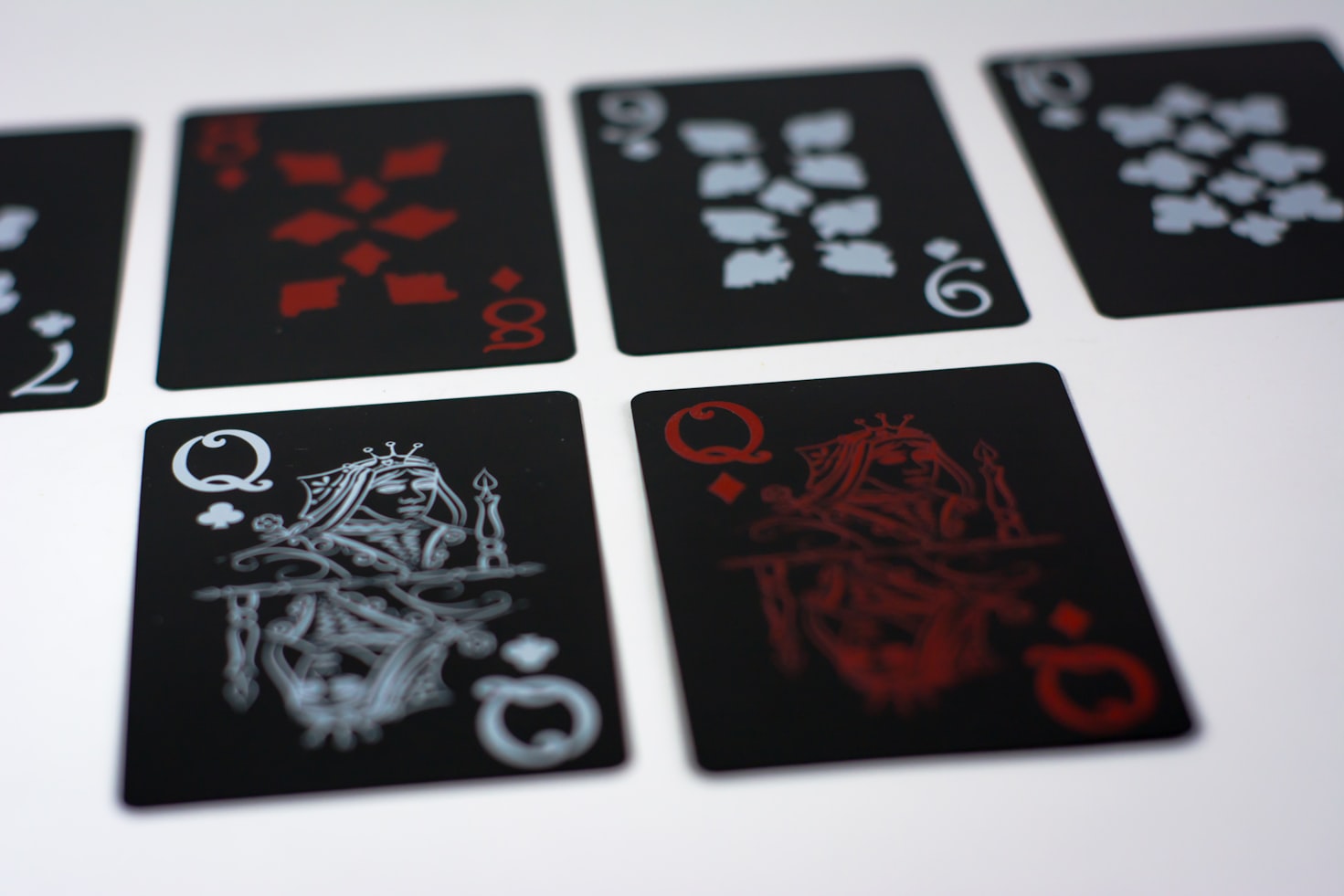
The Middle Ages brought about a shift in gambling practices, marked by the introduction of card games that began to spread across Europe. The invention of playing cards in the 14th century revolutionized gambling, as they provided a new avenue for games of chance. This era also saw the establishment of formal gambling establishments, providing a regulated environment for gaming.
During this time, gambling was often associated with nobility, as it was seen as a sign of wealth and power. The development of games like poker and blackjack during this period laid the foundation for many modern casino games. The impact of the Middle Ages on gambling can be traced in the evolution of game mechanics and the enduring popularity of card games today.
The Emergence of Casinos in the 18th and 19th Centuries
The 18th and 19th centuries marked a significant turning point in the history of gambling with the rise of dedicated casinos. The first recognized casino, the Casino di Venezia, opened in Italy in the early 17th century, but it was in the 18th century that the concept of a casino as a public gambling venue gained traction. This period saw the proliferation of gambling houses across Europe, catering to the aristocracy and the burgeoning middle class.
By the time the 19th century rolled around, cities like Monte Carlo became synonymous with glamour and gambling, attracting high-stakes players from around the globe. The rise of casinos not only changed the landscape of gambling but also fostered a sense of community among players, creating a unique social atmosphere that persists in modern gaming establishments.
Modern Gambling: A Digital Revolution
Today, gambling has undergone a radical transformation, largely due to technological advancements. The introduction of online casinos has revolutionized how people engage with gambling, making it more accessible than ever. Players can now enjoy a plethora of games from the comfort of their homes, with features that enhance the gaming experience, such as live dealer games and mobile apps.
Websites like BGT Games Casino exemplify this modern landscape, offering a comprehensive platform for discovering various online casinos and games. With in-depth reviews and comparisons, players can navigate the vast array of options available, ensuring they find the best gaming experiences tailored to their preferences. The shift to digital has not only expanded the audience for gambling but also introduced new dynamics into the world of chance and risk.